LEARNING SUPPORT
Benton Hall Academy
Learning Support Private School in Nashville (IEP and 504 Friendly)
Finding the right school can feel overwhelming when your child is bright and capable, but school has become a daily struggle. You may be seeing stress, missing work, frustration, shutdowns, or a growing loss of confidence.
Benton Hall Academy is a Nashville-area private school that supports many students with learning differences and learning support needs, including students with IEPs and 504 plans. Our goal is simple: help students feel safe, understood, and capable in the classroom, while building skills that carry into the next grade and beyond.
WHO IS BENTON HALL FOR?
Have an IEP or 504 plan
Have a diagnosis such as ADHD, dyslexia, autism, anxiety, or a related learning difference
Are capable but are not thriving in a traditional classroom environment
Need more structure, clearer expectations, and more frequent check-ins
If you are not sure what your child needs yet, you are not alone. Many families begin the process because they can tell something is off - and they want a school that will meet their child where they are.
What "Learning Support" Means at Benton Hall Academy
Learning support is not one single program. It is a day-to-day approach that reduces barriers so students can learn, participate, and show what they know.
Support may include accommodations and modifications such as:
- Extended time on tests or assignments
- Reduced workload when appropriate, without lowering expectations for learning
- Alternative ways to demonstrate mastery (oral responses, projects, guided outlines)
- Clear routines and predictable classroom structures
- Step-by-step directions and frequent checks for understanding
- Support with organization, planning, and study habits
- Preferential seating or reduced-distraction settings when available
Every student is different. During admissions, we review records and talk with your family to confirm fit and plan supports.
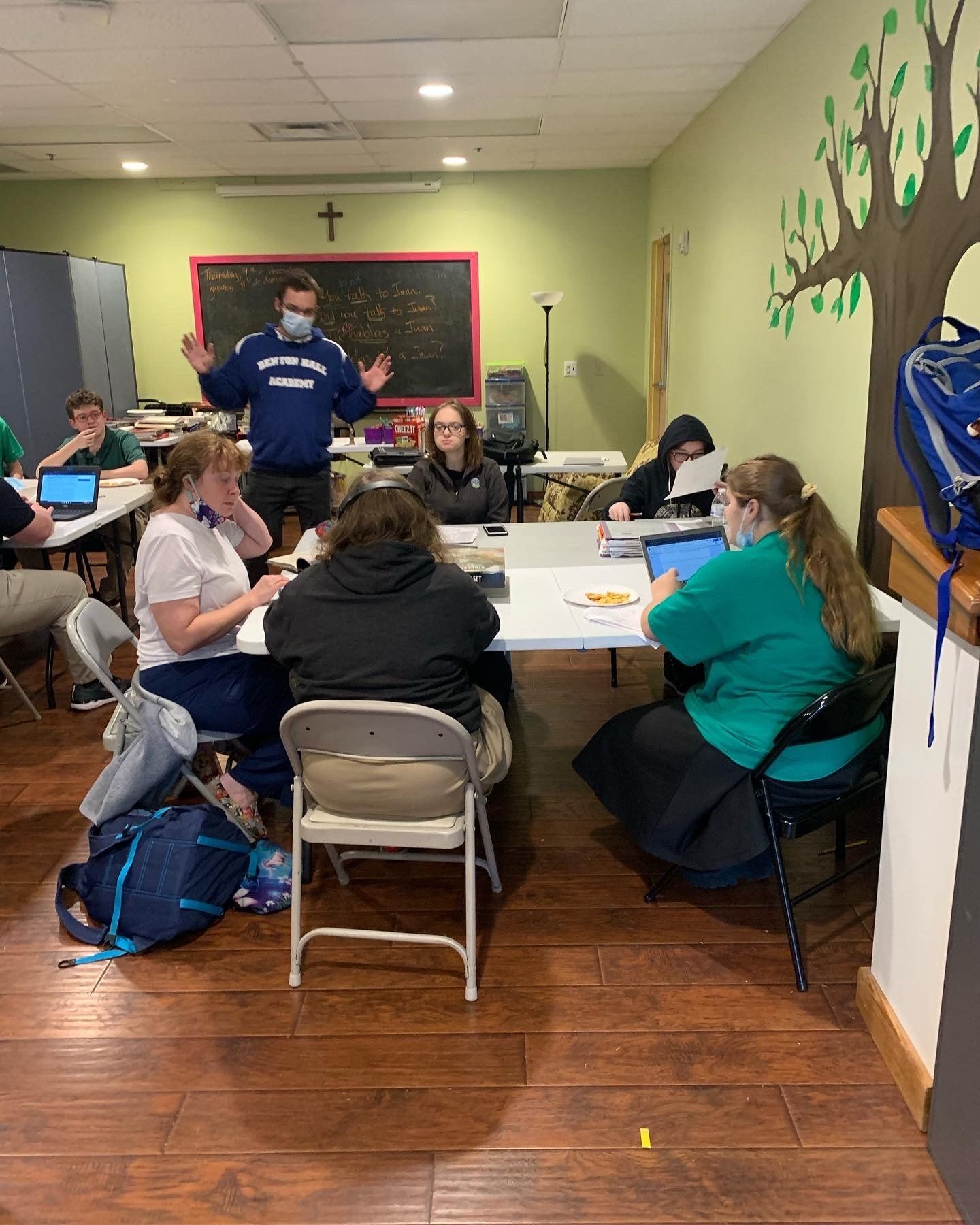
Common Learning Needs We Support
Families often reach out because their child is experiencing one or more of the following:
- Attention and executive function challenges (often associated with ADHD)
- Reading and written expression challenges (often associated with dyslexia)
- Social-communication differences and a need for predictability (often associated with autism)
- School-related anxiety, avoidance, or perfectionism
- Slow processing speed or working memory challenges
Gaps from years of "getting by" without the right supports
Middle School and High School Options
Learning needs can change as students grow. Middle school can bring heavier workloads, shifting classes, and more independence - all at the same time social pressure increases. High school adds bigger assignments, longer-term planning, and higher stakes.
How to get started
The best first step is a tour and a short conversation about your child. We will talk about what you are seeing, what has or has not worked in the past, and what your child needs to feel successful.
From there, we typically review records (such as an IEP, 504 plan, evaluations, report cards, or transcripts) to better understand learning needs and confirm fit.